
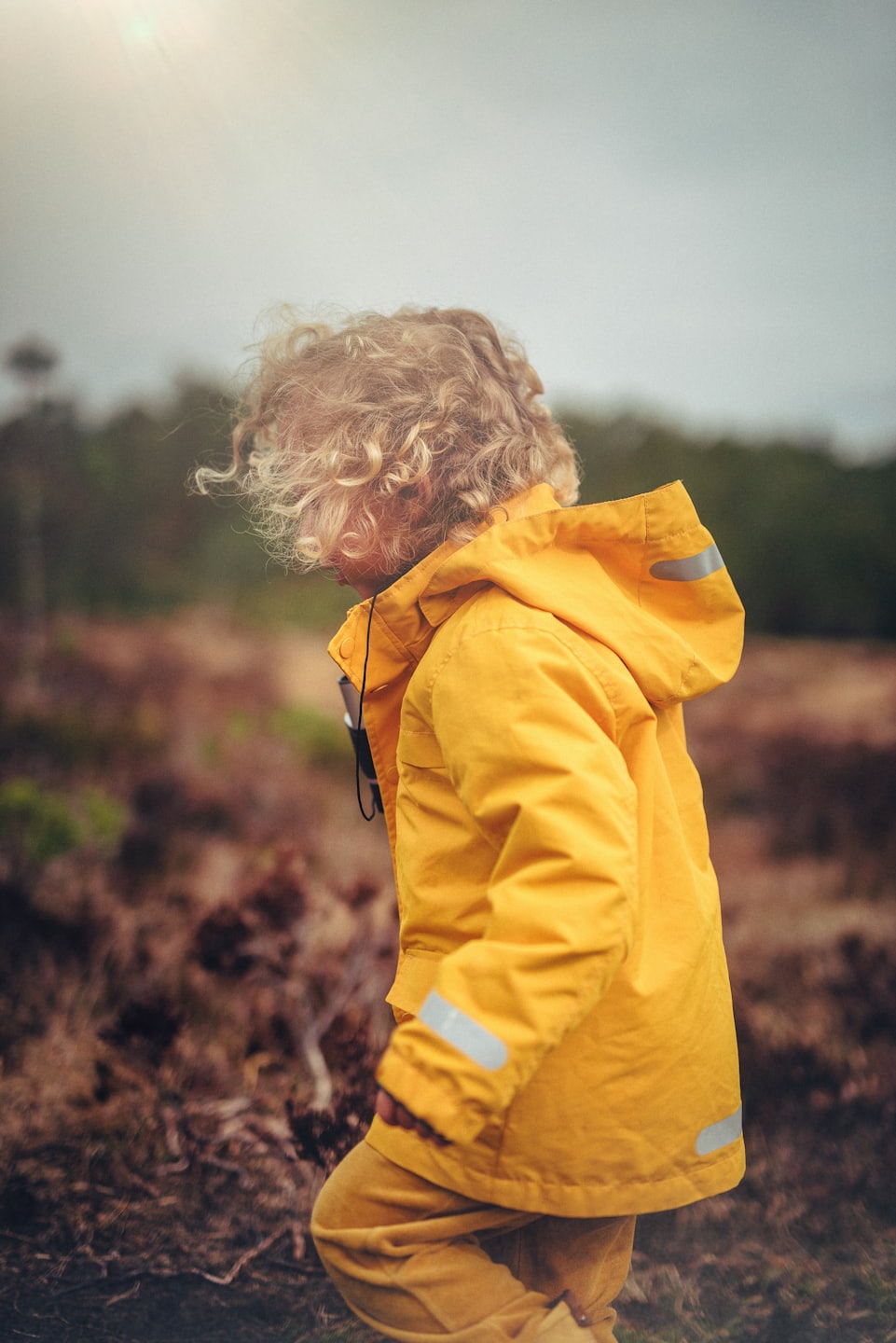
Explore Our Commitment to Engaging Young Minds
This section presents key research goals and theoretical foundations, summarizing how outdoor activities foster children’s connection with nature and support mindful play.

The Evidence Behind This Toolkit
The design of this toolkit is grounded in a growing body of research supporting the therapeutic use of nature-based interventions (NBIs) for children who have ASD. The following is a brief overview of the key evidence informing this resource.
Nature-based interventions and ASD
A systematic review and meta-analysis by Fan et al. (2023) examined 24 studies involving 717 children who have ASD and found that participation in nature-based interventions was associated with significant improvements across three core areas: sensory regulation, social communication, and behavioral functioning. Importantly, these improvements were observed across a variety of intervention types and settings, suggesting that the natural environment itself — rather than any single structured program — plays a meaningful therapeutic role. The authors note, however, that the field would benefit from more theory-driven, intentionally designed interventions, which this toolkit aims to address.
Family-centered and relational approaches
Ramshini et al. (2018) examined the effects of family-centered nature therapy on parent-child interactions in children who have ASD, finding that nature-based interventions supported improvements in social communication and relational connection between children and their caregivers. This highlights the value of nature play not only as an individual therapeutic experience, but as a shared one — something this toolkit is designed to facilitate for both practitioners and families.
The case for child-led, low-structure facilitation
A contextual inquiry by Hijab et al. (2024) observed that heavily adult-directed play can unintentionally reduce a child’s awareness of their surroundings and the people around them — the very outcomes therapeutic play aims to build. In contrast, when children were supported to explore freely with a calm adult present but not directing, more spontaneous engagement, peer awareness, and self-initiated interaction emerged. These findings support a laissez-faire facilitation approach, in which the therapist or caregiver acts as an available, attuned presence rather than an instructor — offering invitations rather than directions, and following the child’s lead throughout.
Leadership Styles
Research suggests that heavily structured, adult-directed play can unintentionally interfere with the very outcomes we hope to support in children who have ASD. When adults direct each step of an activity, children tend to focus on following instructions rather than becoming genuinely aware of their surroundings and the people around them (Hijab et al., 2024). In contrast, when children are supported to choose their own activities and explore freely — with a calm adult present but not directing — more natural social awareness, curiosity, and engagement tend to emerge (Hijab et al., 2024). Nature environments are particularly well-suited to this approach, as their open-ended sensory richness invites exploration without requiring adult-imposed structure (Fan et al., 2023).
For this reason, the activities in this toolkit are designed as invitations, not instructions. The role of the therapist or caregiver is to be a warm, available presence — observing, following the child’s lead, and offering gentle prompts only when welcomed. This laissez-faire approach is not passive; it is an intentional, evidence-informed choice that honours each child’s autonomy and trusts in the restorative power of the natural world.

Topic One
This topic covers essential concepts to enhance your understanding.

Topic Two
This topic delves into advanced strategies and techniques.

Topic Three
Explore this topic for foundational knowledge and insights.
Comprehensive Summary of Research Findings
Explore vital data underscoring the impact of outdoor scavenger hunts, sensory play, and mindfulness on children’s nature engagement.
128
Engagement Levels
This metric measures how interactive activities boost children’s connection with the natural environment.
245
Cognitive Development
Tracking improvements in children’s sensory processing and mindfulness during outdoor learning.
312
Emotional Well-being
Highlighting positive effects on children’s emotional health through nature-based activities.
Understanding the Research
Explore the key findings and theoretical insights that underscore the benefits of outdoor scavenger hunts, sensory play, and mindfulness activities for children.

Step One: Exploring Nature’s Role
Begin by examining how natural environments stimulate children’s sensory experiences and promote mindfulness, setting the groundwork for deeper engagement.

Step Two: Engaging Activities
Delve into how structured outdoor scavenger hunts and sensory play activities enhance cognitive and emotional development in young learners.

Step Three: Theoretical Foundations
Understand the psychological and educational theories that support these interactive approaches, highlighting their impact on children’s connection with nature.
Take the First Step Toward Your Success Today
This section encourages visitors to take action, such as signing up, subscribing, or learning more about your services. It highlights the benefits of taking the next step and offers clear instructions for engagement.