
What activities are included in the toolkit?
Into Nature contains five components designed to be used independently or together, in any order, and at any pace. Each one is an invitation rather than a prescription. Use what feels right for the children on the day you are outdoors together.
Egg Carton Scavenger Hunt
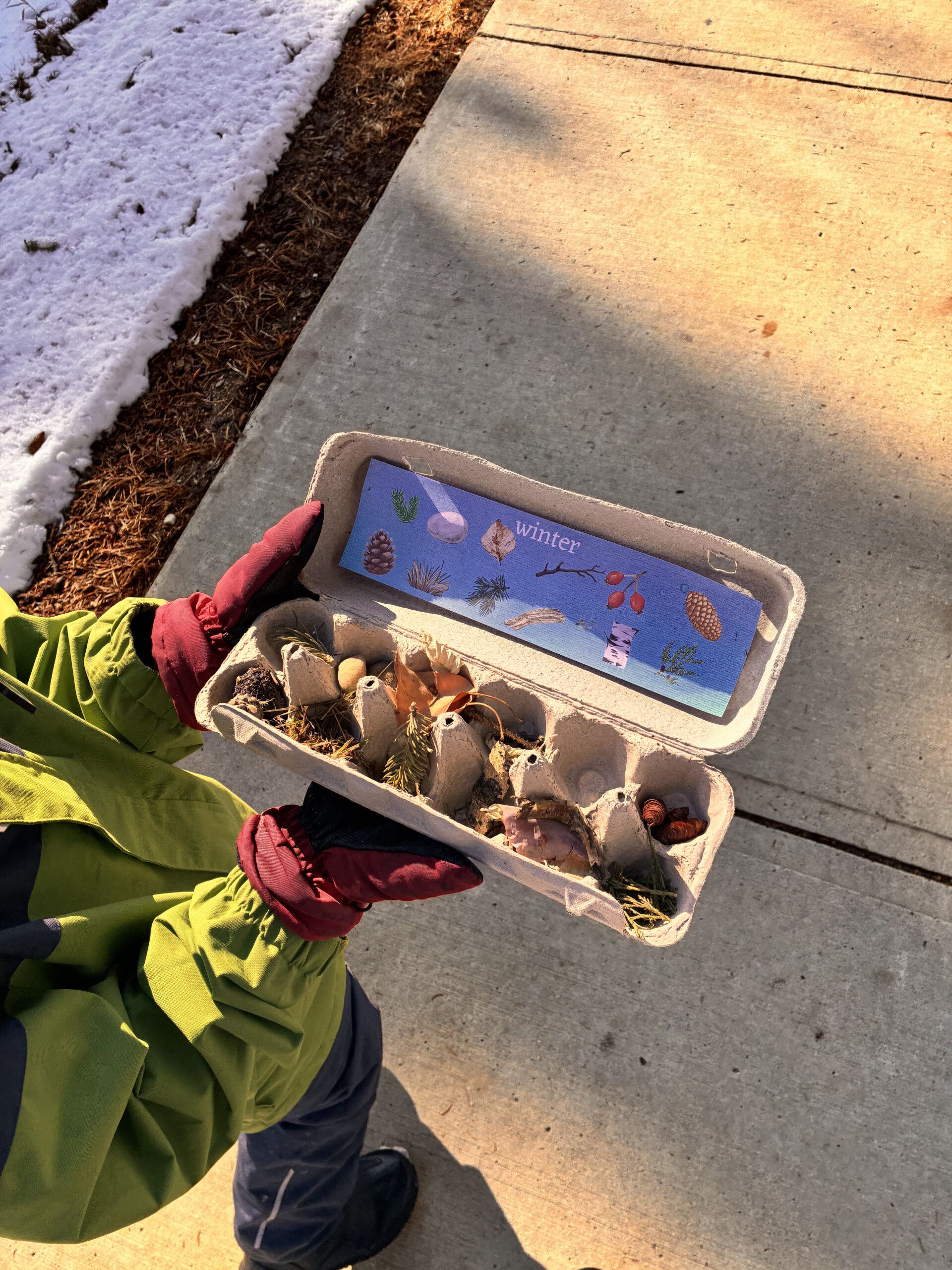
The egg carton scavenger hunt is a hands-on collecting activity that invites children to explore their natural environment and gather found objects. Six seasonal and sensory template cards are included, each designed to fit inside the lid of a standard egg carton.
Nature Journaling
The nature journal is a paper bag booklet filled with open-ended pages for drawing, collecting, rubbing, and reflecting. It travels outdoors with the child and comes home as a keepsake of every adventure.
Mindfulness Invitation Cards
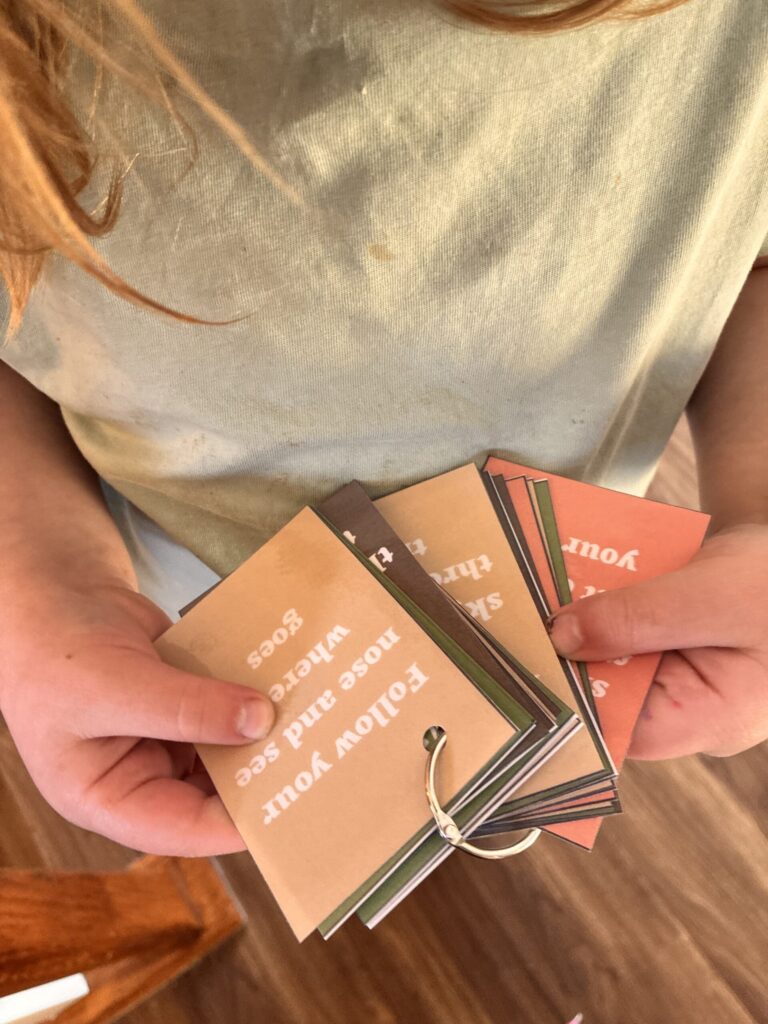
The mindfulness invitation cards are a ring of gentle prompts designed to encourage present-moment sensory awareness in nature.
Sit Spot
The sit spot is a dedicated practice guidebook page supporting children to find a place in nature to simply be still, observe, and notice.
More ways to play
More ways to play is a short collection of additional nature activity ideas that align with the same philosophy of loose parts, sensory engagement, and low adult direction.
Why the egg carton scavenger hunt?
Children who spend time in nature naturally gravitate toward the small, tangible things they find there. A smooth rock, a crinkled leaf, a twisted twig. Research indicates that handling and exploring loose natural elements supports sensorimotor, emotional, and social development in children who have ASD (Li et al., 2018), and that scavenger hunts in natural environments specifically target attention, problem-solving, visual perceptual skills, and social engagement (Kormanik & Skuthan, 2024).
The egg carton scavenger hunt was chosen because it meets children exactly where this natural curiosity already lives. Rather than asking children to learn a new skill or follow a structured program, it simply gives shape and purpose to what many children who have ASD are already drawn to do outdoors. The egg carton becomes a collecting vessel, and the therapist or caregiver becomes a companion in the process.
How to facilitate the egg carton scavenger hunt
What you need
The egg carton, a template card, and the outdoors.
How to use it
Choose a template card that suits the season or environment and tuck it inside the lid of the egg carton. Head outside and let the child lead the way. When they find something that matches a prompt on the card, they place it in one of the egg cups. Encourage touching, smelling, and noticing along the way.
There is no right order, no time limit, and no wrong finds. The goal is curiosity, not completion.
When you are finished, the items can be tipped out and the carton reused, or brought home to share.
Template cards included
Spring, Summer, Autumn, Winter, Colours, and Flowers.
Why the nature journal?
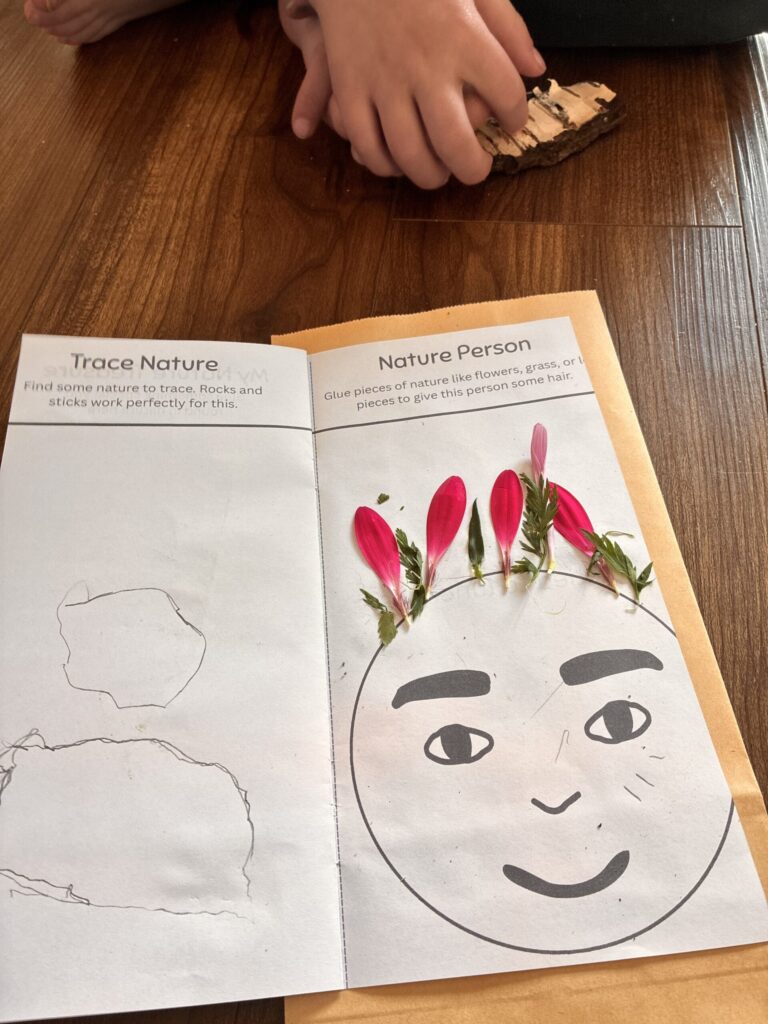
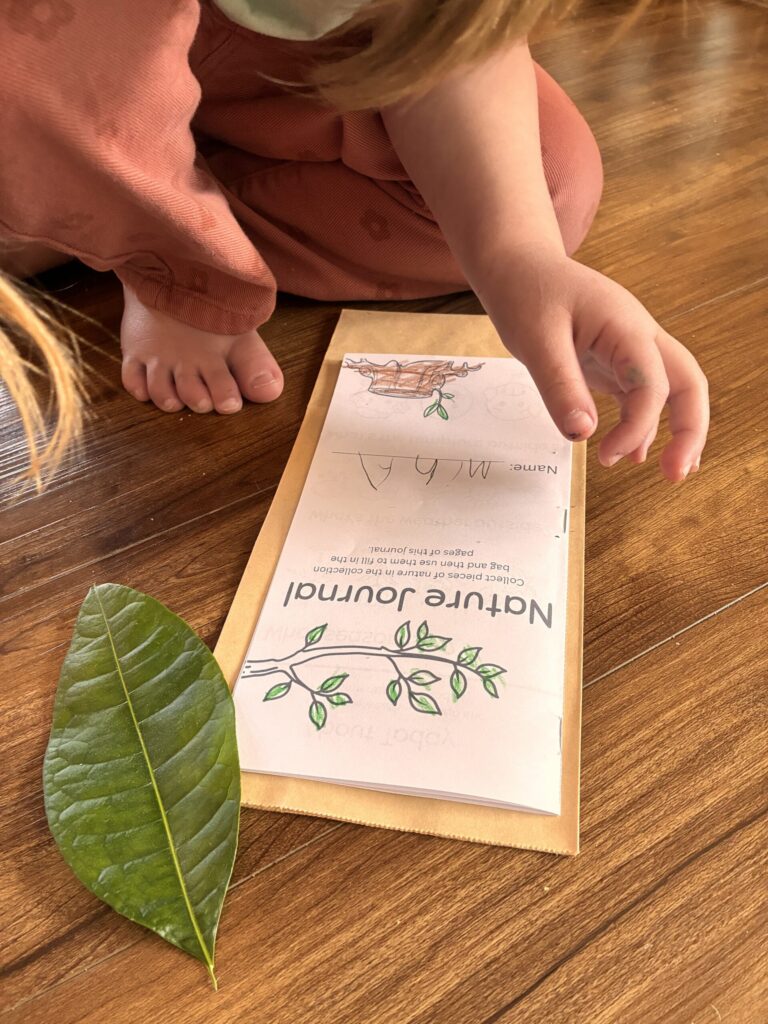
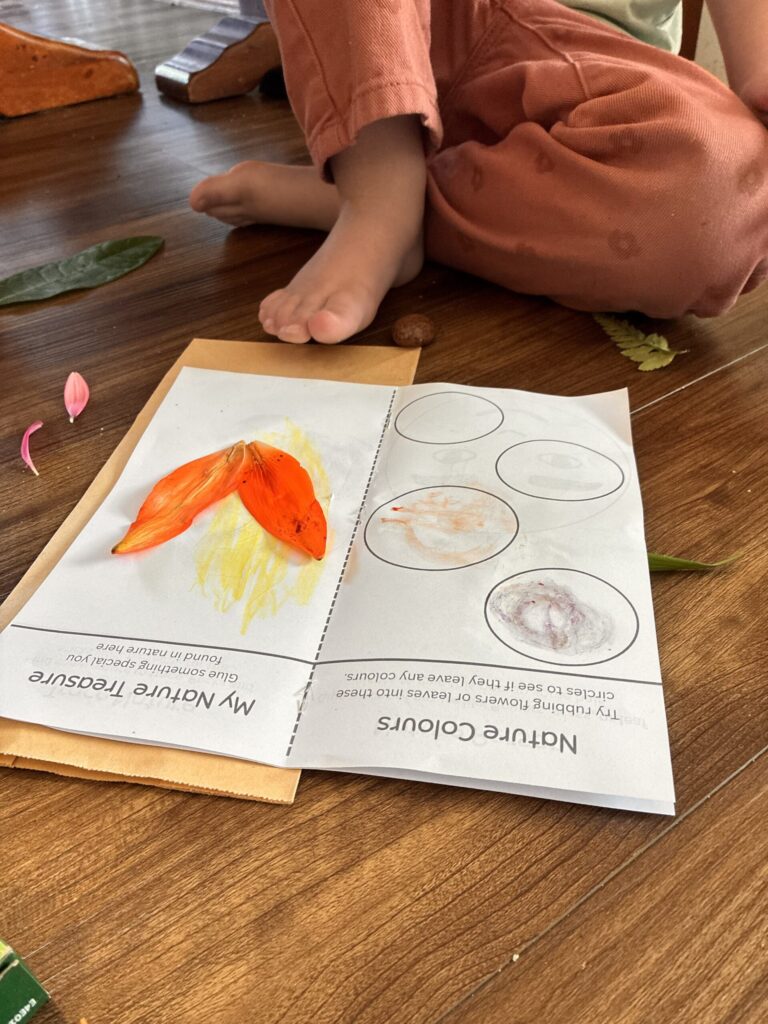
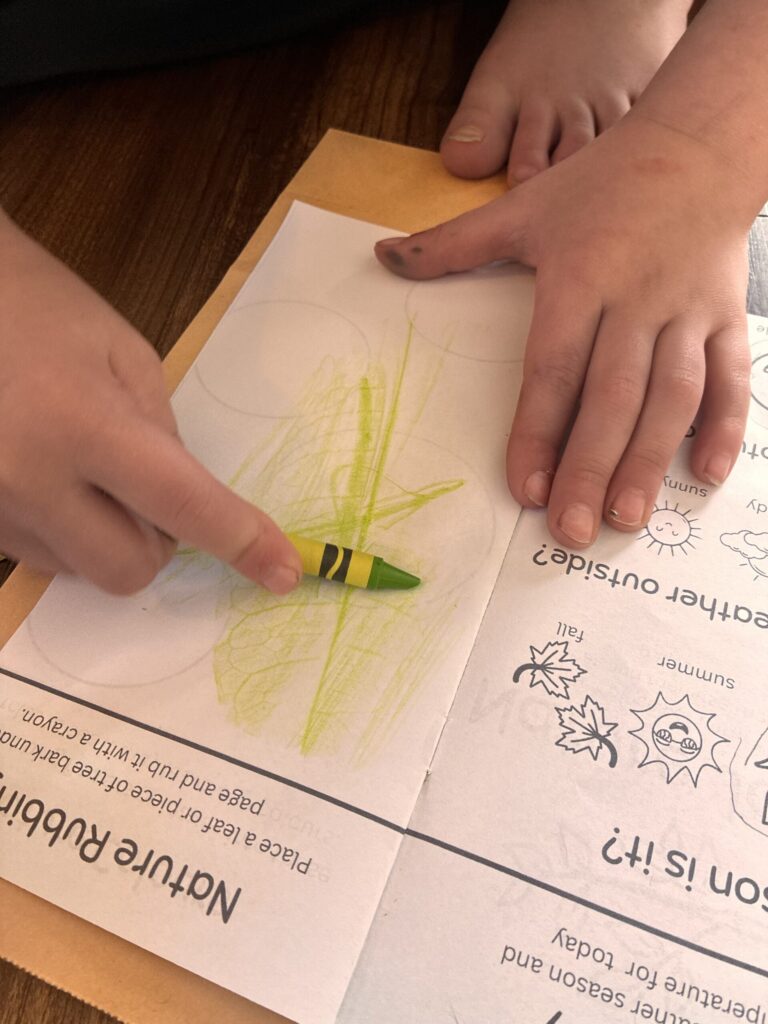
The nature journal is a simple booklet attached to a paper bag where children can collect nature items and use what they find to complete the journal pages. It includes drawing, rubbing, tracing and gluing. Research indicates that collecting and interacting with natural materials such as leaves, petals, and sticks supports sensorimotor, emotional, and social development in children who have ASD (Li et al., 2018), and that extending outdoor collecting into creative activities builds on that natural curiosity in a meaningful way (Kormanik & Skuthan, 2024).
How to facilitate the nature journal
What you need
The nature journal, a pencil, crayons, a glue stick, and the outdoors.
How to use it
The nature journal is a simple paper booklet attached to a paper bag. The bag acts as a pocket for collecting treasures. Tuck in leaves, petals, feathers, rocks, or anything that catches the child’s eye. The booklet pages are for using items they collect. Each page is a different nature craft or activity. Some involve rubbing, tracing, or pressing natural materials directly onto the page. Others invite children to arrange, glue, or draw what they have collected. There is no right order and no need to complete every page. Let the child pick whatever feels interesting that day.
Why the mindfulness cards?
Mindfulness, the practice of paying attention to the present moment with curiosity and without judgment, has shown meaningful benefits for children who have ASD, including improvements in emotional and behavioral functioning, social communication, and self-awareness (Ridderinkhof et al., 2018). For young children, formal mindfulness practice can feel abstract and hard to access, but nature changes that.
The outdoors is already full of things worth noticing, such as the feeling of natural textures or the sound of the wind through the trees. Research indicates that interacting with natural materials supports sensorimotor and emotional development in children who have ASD (Li et al., 2018), and that when children are free to explore without adult direction, more genuine awareness and engagement tends to emerge naturally (Hijab et al., 2024).
The mindfulness invitation cards in this toolkit are designed with that in mind. Each card offers a simple, open-ended prompt that invites a child to slow down and notice something in the natural world around them. There are no right answers and no expected outcomes,. just a gentle nudge toward paying attention to what is already there.
How to facilitate mindfulness cards
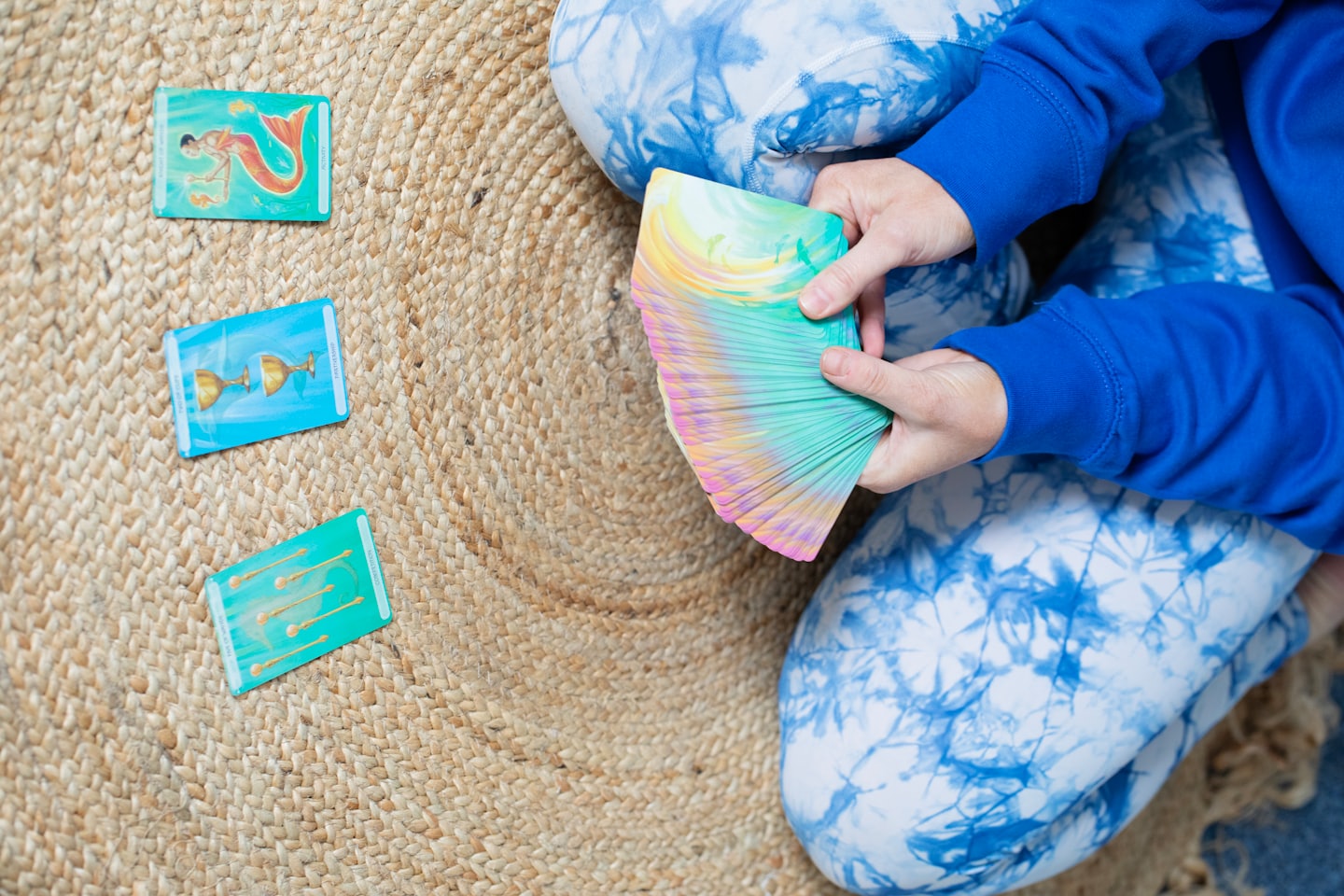
Flip through the cards and choose one that feels right for the day, the environment, or the child. You can pick for them, let them choose, or pull one at random. There is no wrong place to start.
Read the prompt out loud or show it to the child and then step back. The card is just a starting point. What happens next is up to them.
Not every card will land every time and that is completely fine. If a child is not interested, set it aside and try another. The goal is not to complete a card but to find a moment of genuine noticing. Some days that happens in the first minute. Other days it does not happen at all, and that is okay too.
The sit spot
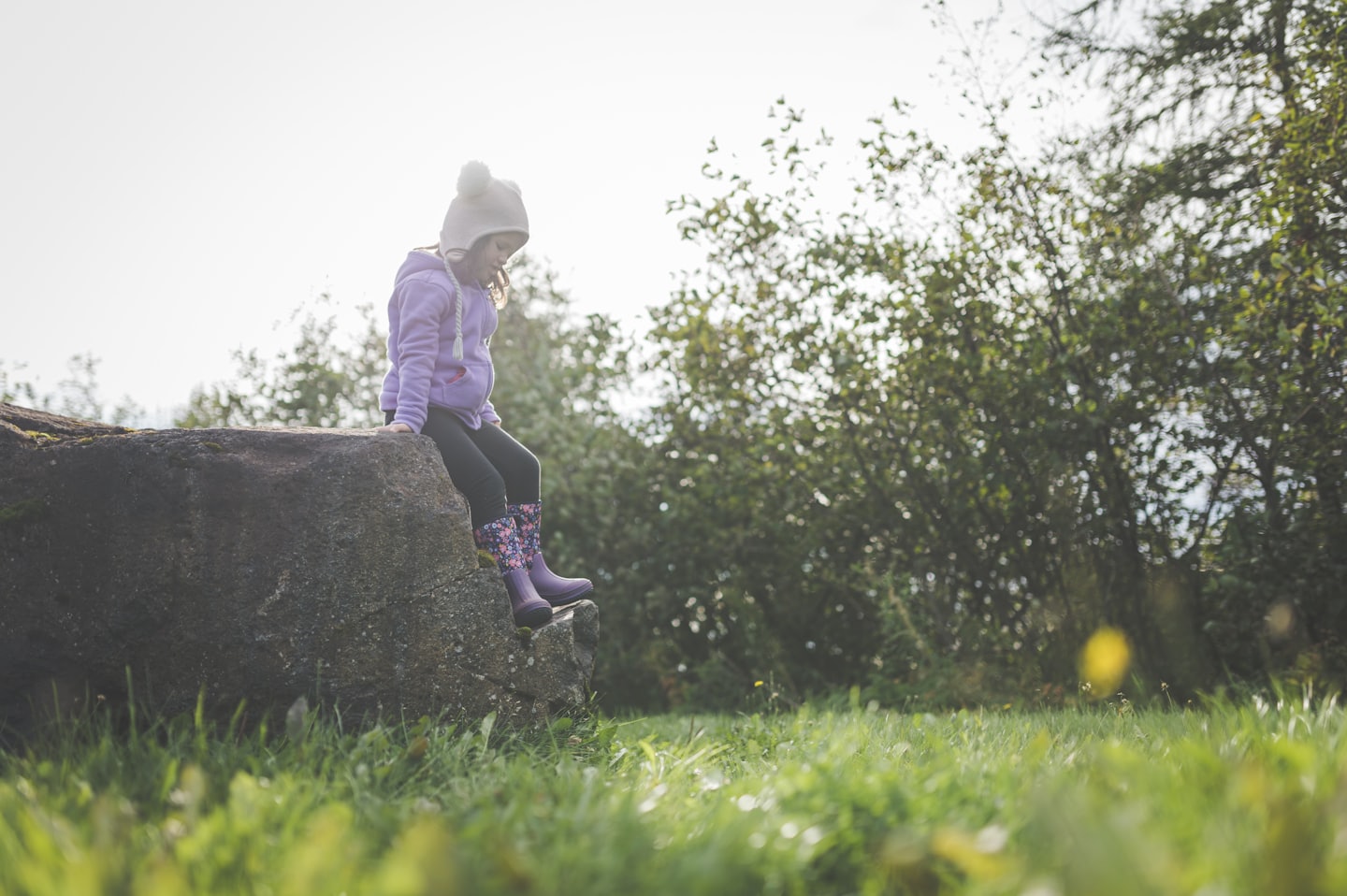
There is a practice used in forest school and nature-based therapy called the sit spot (James, C., 2023), and it is exactly what it sounds like. Find a place outside, sit down, and simply be there.
A sit spot can be anywhere, such a patch of grass, a log, the base of a tree, a park bench, or a corner of a backyard. What matters is not where it is, but that it feels right to the child. Let them choose. Their instinct about where feels safe and comfortable is the most important factor.
How to introduce it
Not every child will take to stillness right away and that is completely fine. Here are a few practical ways to get started:
Try it yourself first. Sit quietly nearby and let the child observe you. Your calm presence does more than any explanation.
Start with movement if stillness feels like too big an ask. Let the child explore, do the scavenger hunt, or go for a slow walk first. Arriving at a sit spot naturally at the end of an outing often feels much easier than being asked to sit from the very beginning.
Let the child choose their own spot. Walk around together and ask them to find a place that feels right. A child who has chosen their own place is far more likely to settle into it.
Keep it short to start. Even two or three minutes counts. There is no target time and no need to push for longer. Duration has the potential to grow on its own as the practice becomes familiar.
What to do there
Once you are settled, there is nothing specific to do. You might quietly invite the child to notice what they can hear, see, or smell. You might sit together without saying anything at all. You might just wait and see what the child notices on their own. There are no prompts required and no outcomes expected; just be there alongside them and follow their lead.
Returning again and again
The real magic of the sit spot happens over time. Returning to the same spot across different seasons, different weathers, and different moods transforms it into something deeply personal: a place that belongs to the child, and that they begin to know by heart. They may notice new growth in spring, bare branches in winter, a bird that visits regularly, or simply that the ground feels different after rain. This act of returning over and over builds a sense of connection, familiarity, and belonging that is particularly meaningful for children who find comfort in routine and predictability.
More ways to play
The activities in this toolkit are just a starting point. Nature offers endless opportunities for open-ended, child-led exploration. The following are simple ideas that align with the same philosophy of loose parts, sensory engagement, and low adult direction.
Follow the child’s curiosity and see where it leads.
Mud kitchen — a patch of dirt, some old pots and spoons, and water is all you need.
Nature picture frame — lay four sticks on the ground to make a frame, then fill it with leaves, petals, grass, bark, and anything else found nearby to create a nature scene or picture.
Nature bracelet or crown — use duct tape inside-out to create a bracelet, or double-sided tape on a paper crown, then attach chosen nature to the sticky side to create a nature bracelet or crown.
Fairy or creature house — invite the child to build a tiny home for an imaginary creature using only what they find on the ground. Rocks, bark, moss, and twigs are perfect building materials.
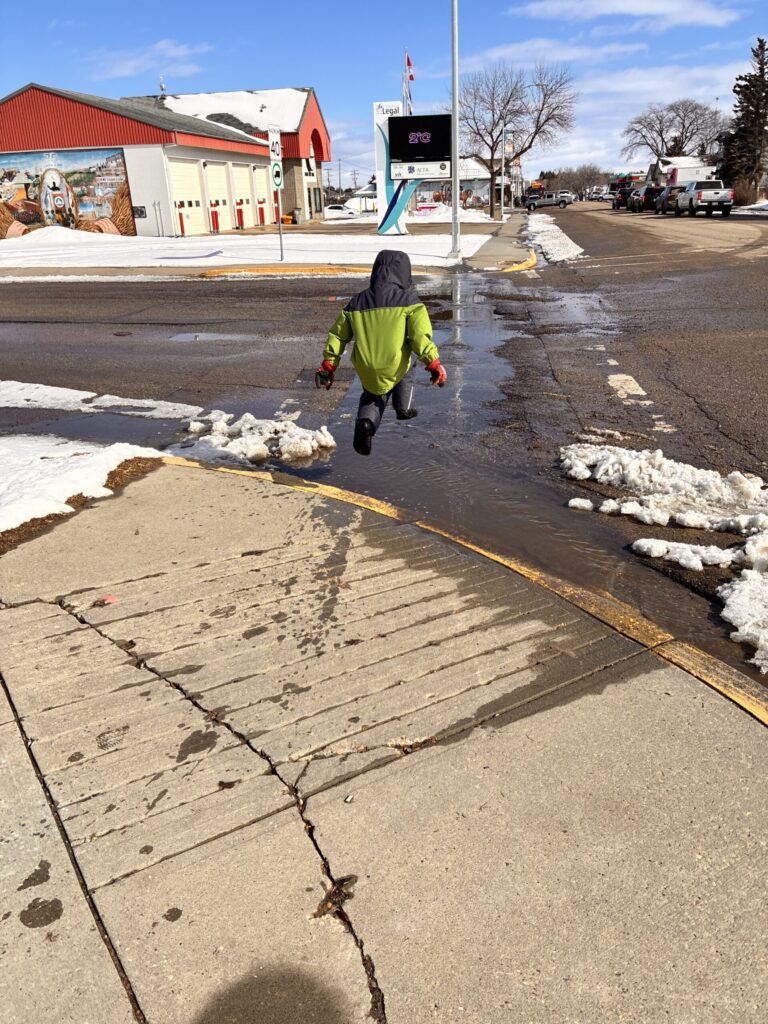
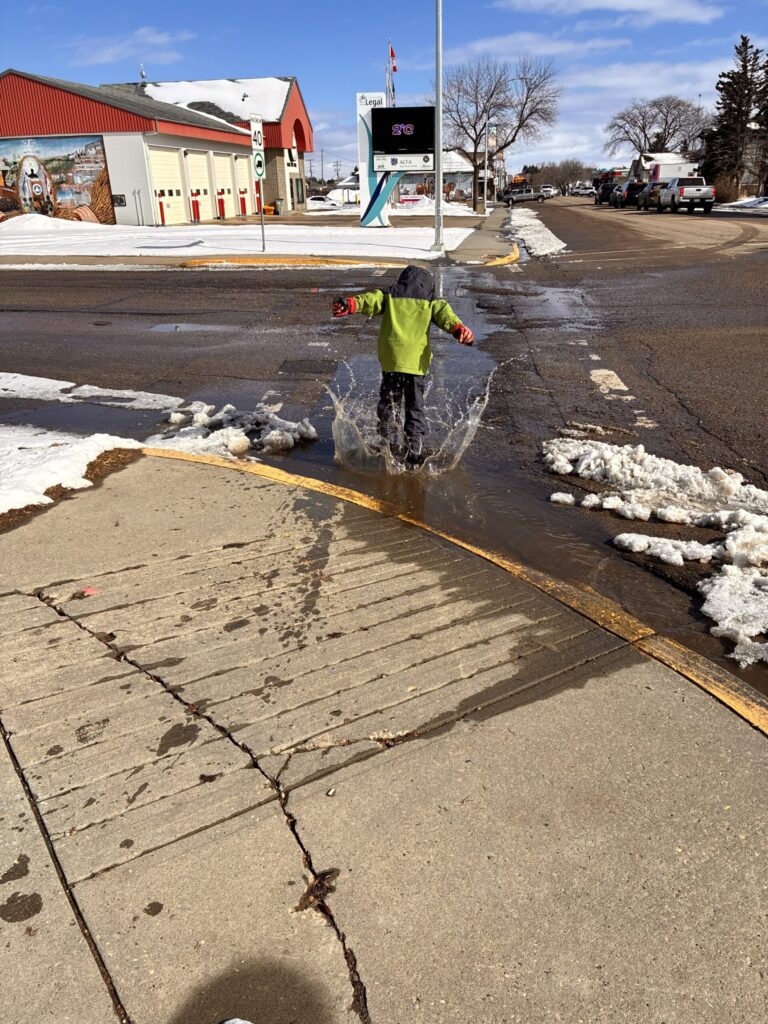
Puddle and water play — stomping, pouring, floating leaves, watching ripples.
Shadow tracing — place a rock, leaf, or stick in the sun and trace its shadow with chalk or a stick in the dirt. Come back later and notice how it has moved.
Stick building — gather sticks and build whatever comes to mind, like a tower, a nest, a maze, or a picture on the ground.
Leaf animals — find different leaves and arrange them to create the shape of an animal.
Ten things challenge — find ten things in nature and then use them to create something new and unique.